



Choosing the Best Jar for Your Sourdough Starter: Size, Shape, Closure & Other Tips

Quick answer: what is the best jar for a sourdough starter? A straight-sided, wide-mouth glass jar of 750ml to 1 litre with a loose-fitting lid. A starter can double in size after feeding, so it needs room to rise, and the lid must let gas escape.
Sourdough Jar at a Glance
| Feature | What to choose | Why |
|---|---|---|
| Material | Glass | Transparent, non-reactive and easy to clean |
| Size | 750ml to 1 litre | Leaves room for the starter to double after feeding |
| Shape | Straight-sided, wide mouth | Easy to stir, feed and clean |
| Lid | Loose-fitting, or a cloth cover | Lets gas escape |
| Avoid | Metal, plastic, airtight screw tops | Metal can react with the acidity, plastic holds odours, airtight lids trap gas |
The Case for Glass (And Why It’s the Winner)
Transparency is key One of the most important reasons glass jars are the go-to choice for sourdough enthusiasts is that they’re transparent. This makes it easy to monitor your starter’s activity—whether it’s bubbling away like a science experiment or just sitting there, grumpy and in need of a feed. You can see exactly what’s happening, which is key to maintaining a healthy, happy starter. Non-reactive Glass is non-reactive, which means your sourdough starter won’t interact with the container and develop funky off-flavours or unwanted chemicals. This is especially important since your starter is a living culture—let’s keep things natural. Temperature stability Glass jars handle varying kitchen temperatures like a pro. Whether your kitchen is warm in the summer or chilly in the winter, glass will help maintain a more consistent temperature inside the jar, helping your starter grow steadily without any drastic fluctuations. Cleaning made easy Let’s be honest—dealing with sourdough starters can get messy, especially during feeding time. The beauty of glass is that it’s super easy to clean. You can scrub it out without worrying about scratches, and it’s generally dishwasher-safe. Bonus!What about ceramic?
Ceramic jars are the more mysterious sibling of glass jars. They’re a solid option if you prefer something a bit more traditional or aesthetic. Plus, ceramic keeps the light out, which some people swear helps their starters. However, the trade-off is that you won’t be able to visually monitor your starter's activity as easily. So, unless you’re going for that “I like surprises” approach, ceramic might not be the best everyday choice.Metal and Plastic: the No-Gos
Before you ask, “Can I just use a plastic tub or metal jar?” the answer is a resounding NO. Here’s why:- Plastic can retain odours, and over time, it’s likely to develop scratches that can harbour bacteria—not ideal for your delicate starter.
- Metal is a huge no-no because it can react with the acidity of the starter, leading to funky flavours or, worse, killing your culture entirely. Imagine going to bake bread only to find your starter has been sabotaged by its own home—heartbreaking.
Choosing the Right Size
When it comes to picking the right jar, size really does matter. Your sourdough starter needs room to grow (literally). On average, it can double in size after feeding, so you want a jar that gives it space to stretch its bubbly little self out. For most home bakers, a jar between 750ml and 1 litre works well. This gives you ample room for the starter to rise without spilling over the top. Plus, you won’t have to clean up a sticky mess when it overflows—which, trust me, it will do at some point if the jar is too small.Jar Shape: Straight-Sided for the Win
Straight-sided jars are your best bet. Why? Because they make it easier to stir your starter and scrape down the sides without missing any of that precious, yeasty goodness. Another practical benefit is that they’re easier to clean—no awkward corners where starter can get stuck and ferment into a science experiment. And let’s face it, the less elbow grease you need to put into cleaning, the better! Wide-mouth jars are also a top choice. They give you plenty of room to feed your starter without dribbling starter all over your hands, the countertop, and possibly your cat.Lid Options: Keep It Loose
The lid is where things get interesting. Sourdough starters produce gas (thanks, yeast!), so they need a way to release it, or you’ll be dealing with a little explosion situation. Not fun. Loose-fitting lids are your best friend. A glass lid with a rubber gasket closed but not sealed is perfect for creating a protected environment while still allowing gas to escape. Some folks use cloth coverings, which also works very well. Avoid airtight lids like mason jar screw tops unless you’re into accidental starter explosions.Jars for Sourdough Starter - Our Recommendations
1. The 1000ml Fido clip top jar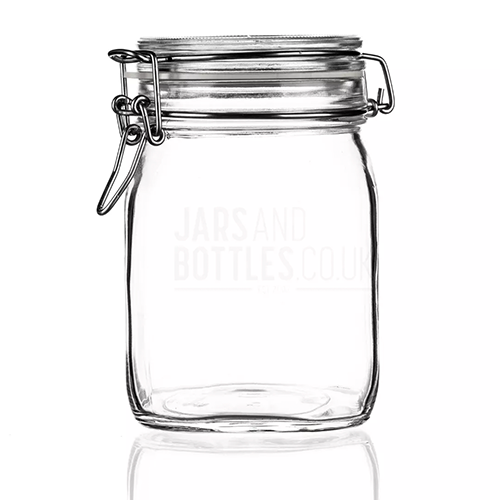
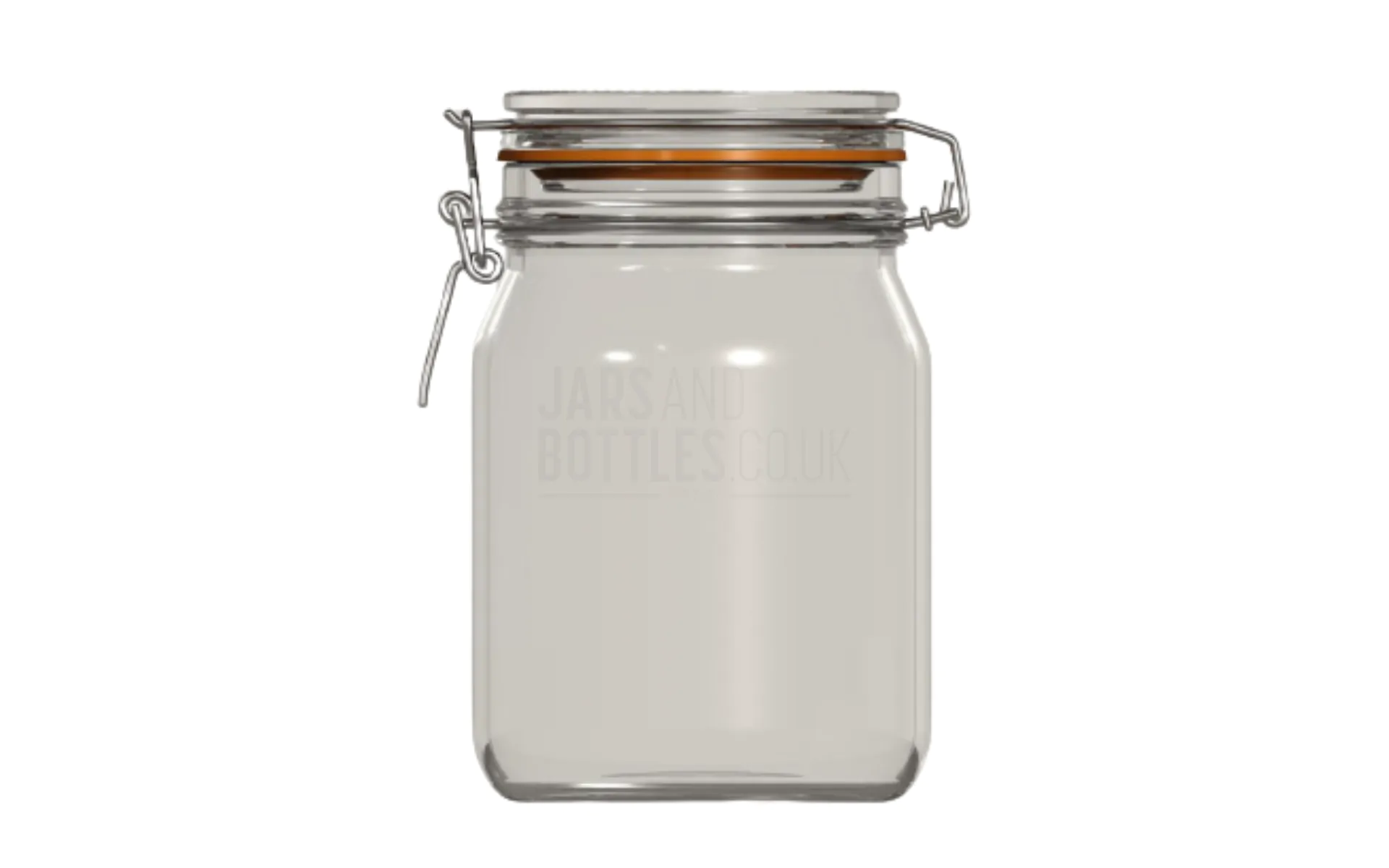 Econ is an excellent jar for sourdough starter. Its straight walls make stirring and scraping super easy, while the generous size gives your starter plenty of room to grow. The non-reactive glass keeps the flavours pure, and the clip-top lid allows gases to escape, keeping everything nice and safe. It’s a practical, straightforward option for a happy, bubbling starter. 3. The glass food jar 1062ml
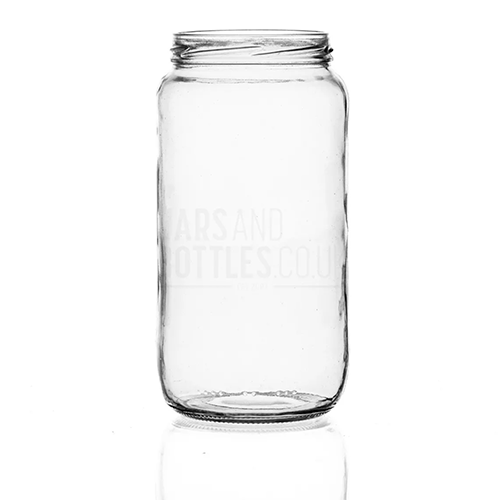
Tracking Growth: It’s All About the Rubber Band
Want to feel like a sourdough scientist? Use a rubber band on the outside to mark where your starter begins after feeding. This will help you track how much it’s rising, which is a great indicator of health and fermentation activity. Plus, it’s oddly satisfying to see just how much your starter grows after a few hours.Alternative Containers: For the Adventurous
If you’re a sourdough purist or you want to experiment with bigger batches, ceramic crocks are a great choice. They’re heavier and more durable, but they don’t offer the same visual feedback as glass jars. On the other end of the spectrum, small glass jars work wonders for when you need to store smaller amounts of starter or are planning to share with friends (because what kind of baker doesn’t gift their friends a bit of starter love?).Cleaning and Maintenance Tips
Your starter will live a long and happy life if you treat its home well. Here’s how to keep your jars in tip-top shape:- Regular cleaning: Clean your jar every week or two. Simply give it a good wash with warm, soapy water. Make sure it’s thoroughly dry before adding your starter back in.
- Sterilisation: Occasionally, you might want to sterilise your jar, especially if you’ve had any issues with mould or contamination. Boiling water or a quick dishwasher cycle can do the trick.
- Avoid scratches: If using ceramic or plastic for any reason, be mindful of using utensils that could scratch the surface, as these can harbour bacteria.
Best Practices for Jar Use
To wrap things up, here are a few golden rules for jar use:- Always leave space for your starter to rise.
- Avoid using airtight lids—ventilation is key.
- Mark your jar to track growth—it’s not just practical, it’s fun!
- Clean your jar regularly to prevent any unwanted nasties from crashing the sourdough party.
Sourdough Jar FAQs
What size jar do I need for a sourdough starter? For most home bakers, a jar between 750ml and 1 litre works well. A starter can double in size after feeding, so a jar that is too small will overflow.
Should a sourdough starter jar be airtight? No. A starter produces gas, so the lid should be loose-fitting. A glass lid with a rubber gasket that is closed but not sealed works well, as does a cloth cover. Avoid airtight screw tops.
Is glass or plastic better for a sourdough starter? Glass. It is transparent, so you can watch the starter's activity, it does not react with the starter and it is easy to clean. Plastic can retain odours and develop scratches that harbour bacteria, and metal can react with the acidity.
What shape of jar is best for sourdough starter? A straight-sided, wide-mouth jar. It makes stirring and scraping down the sides easier, and there are no corners where starter can get stuck.