Looking to breathe new life into your jars and bottles? Whether it’s creative ideas, delicious recipes, or inspiring ways to upcycle, you’ve come to the right place. Let’s turn the ordinary into something extraordinary!
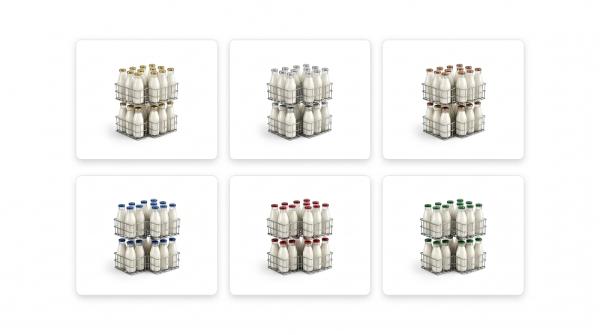
Hotels and cafes serve juice, milk and water in glass bottles. Here is how to choose the size, match the lid to the neck and label bottles you fill in advance.
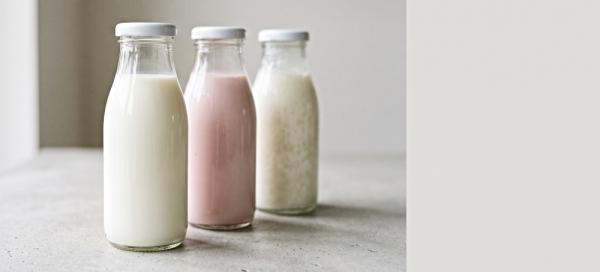
The same glass milk bottle range works for flavoured milk, kefir, and cold brew, but each drink puts different demands on the bottle. Here's what to check before you fill one.
Milk, flavoured milk, kefir, cold brew: the right bottle depends on how you're selling it, not just how much it holds. Here's how to choose size, neck fit, and quantity.
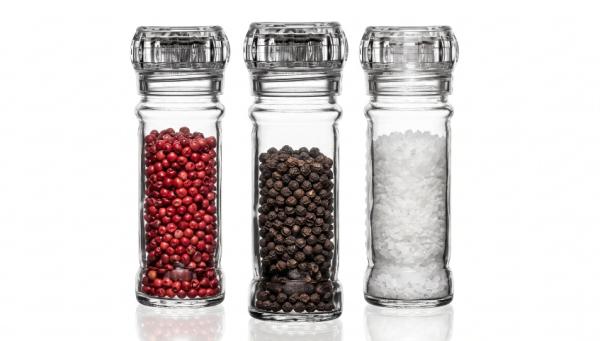
Ground spices and whole spices require different glass packaging. Here's how to pick the right size and lid, and where to buy larger quantities without paying full retail per jar.
A run of three candle jars and a run of 500 land at completely different unit costs. This guide breaks down real wholesale pricing across our candle range, from trial quantity to full pallet, which jar earns a luxury positioning, and the UK safety labelling rules that apply once you're selling rather than gifting.
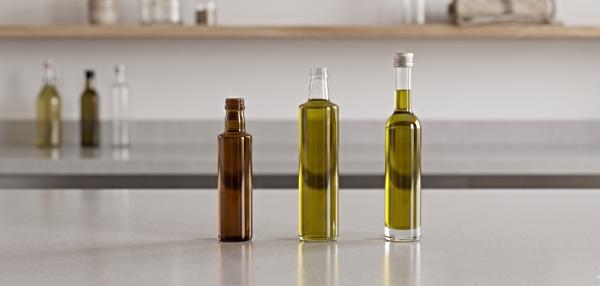
Oil doesn't spoil the way fresh food does, it oxidises, slowly, from light and heat. If you're bottling olive oil, rapeseed oil, or infused oil for UK retail, farm shop, or food service, one packaging rule applies specifically to olive oil, and the glass colour you choose does real technical work. Here's what UK producers need to know about regulation, protection, and closures.
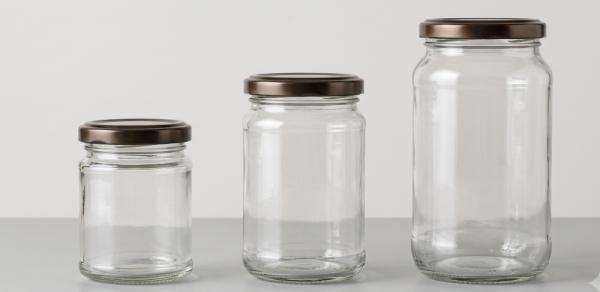
Jar price is only part of the cost. This guide breaks down delivery, breakage, buffer stock, and EPR fees to show what chutney jar packaging really costs UK food producers, at 10,000 jars a year and at 100,000.