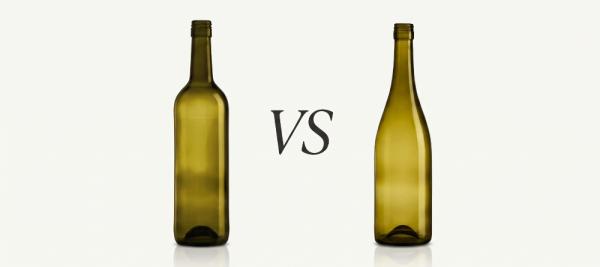
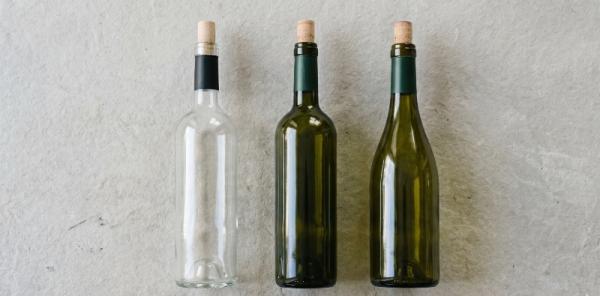
Bordeaux bottles have straight sides and high shoulders. Burgundy bottles have sloped shoulders and a wider body. This guide compares the two on measurements, weight, label space and closures so you can pick one before you order.
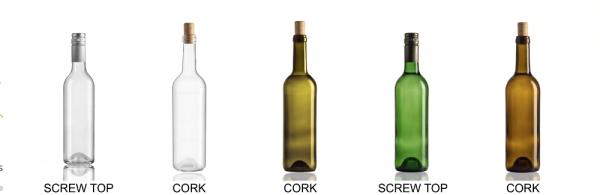
The neck finish decides which closure a wine bottle takes. This guide explains how screw cap, BVS and cork-mouth bottles differ, what the research says about oxygen and faults, and which one suits your wine.
Hotels and cafes serve juice, milk and water in glass bottles. Here is how to choose the size, match the lid to the neck and label bottles you fill in advance.
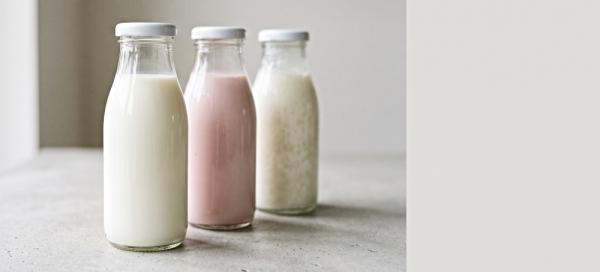
The same glass milk bottle range works for flavoured milk, kefir, and cold brew, but each drink puts different demands on the bottle. Here's what to check before you fill one.
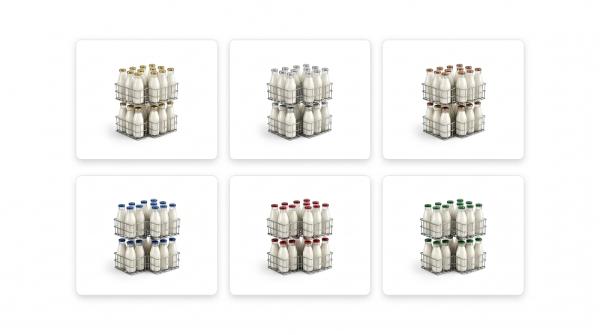
Milk, flavoured milk, kefir, cold brew: the right bottle depends on how you're selling it, not just how much it holds. Here's how to choose size, neck fit, and quantity.
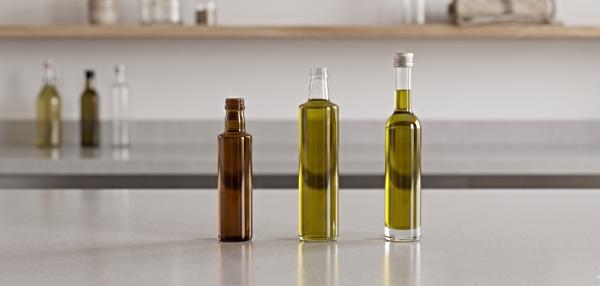
Oil doesn't spoil the way fresh food does, it oxidises, slowly, from light and heat. If you're bottling olive oil, rapeseed oil, or infused oil for UK retail, farm shop, or food service, one packaging rule applies specifically to olive oil, and the glass colour you choose does real technical work. Here's what UK producers need to know about regulation, protection, and closures.
Wine bottles come in more sizes than most producers ever need, but knowing the full range helps you plan production formats, gifting lines, and display pieces. This guide covers every standard size, what each one is used for, and where to get it.
UK wineries need still wine bottles that match the style of wine, the expectations of the buyer, and the practical requirements of their labelling process. This guide covers format, glass colour, closures, and EU export compliance.